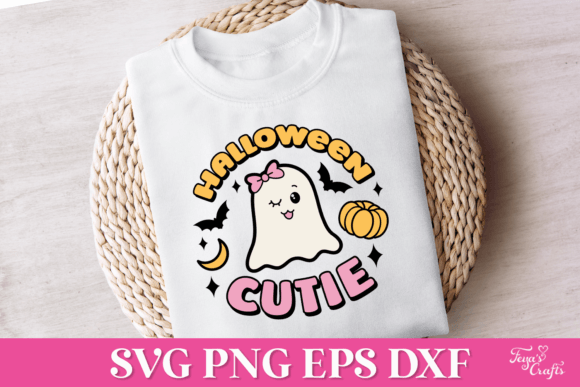
Halloween Cutie Retro Halloween SVG
A Designer’s First Glance: Charm with Clear Intent
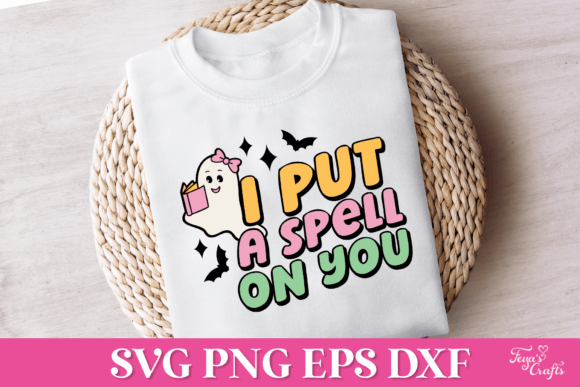
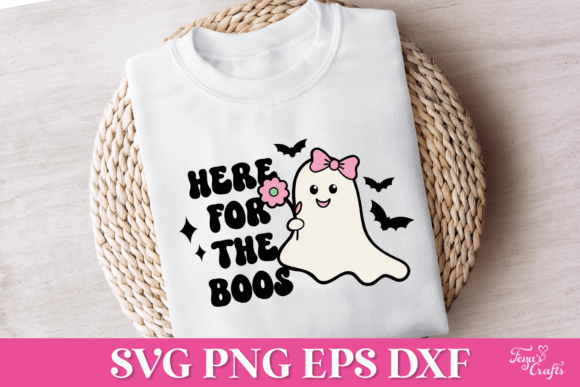
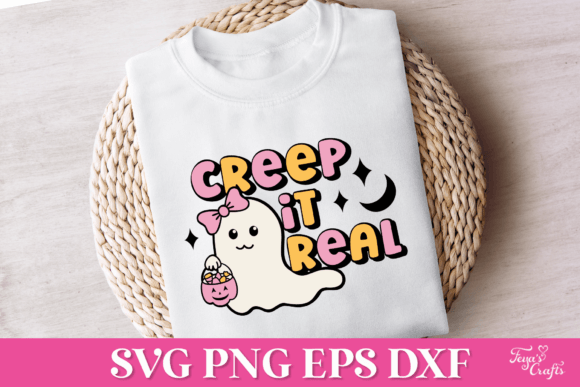
Opening the Halloween Cutie Retro Halloween SVG file, I immediately sensed its personality—playful but polished, nostalgic but not dated. It’s a compact quote-based design, likely built around a short phrase like “Boo!” or “Trick or Treat!” paired with retro-styled icons: maybe a smiling jack-o’-lantern, a winking ghost, or a candy corn heart. The lines are clean and intentional—not overly ornate, not stripped bare. That balance tells me this was crafted for real-world embroidery use, not just digital display. As a designer who’s stitched hundreds of holiday pieces for small shops and Etsy sellers, I appreciate when a design respects both aesthetic charm and stitchability.
Where It Shines: Real Projects, Real Customers
I recently tested the Halloween Cutie Retro Halloween SVG on a set of organic cotton tote bags for a local boutique’s October launch. The result? Warm, approachable, and unmistakably handmade. It worked beautifully as a centered chest embroidery on unisex sweatshirts—soft enough for kids, bold enough for adults. On baby onesies, scaled down to 3.2”, it kept its legibility without crowding the garment. As an embroidered patch sewn onto denim aprons for a bakery’s seasonal staff, it added just the right dose of whimsy without overwhelming the functional fabric.
This isn’t a design that screams “look at me!”—it invites closer inspection. That makes it ideal for products where tactile detail matters: tea towels, pillow covers, nursery wall hangings, and personalized holiday gifts. For Etsy sellers, it slots neatly into listings for “retro Halloween decor” or “minimalist holiday apparel”—categories where buyers value cohesion over clutter. Its visual rhythm supports branding consistency across a small shop’s product line, whether you’re offering matching mugs (with printable mockups) or coordinating embroidered patches.
Where to Pause—and Why
Don’t rush this into every project. The Halloween Cutie Retro Halloween SVG has gentle curves and modestly sized lettering—lovely in theory, but tricky on highly textured fabrics like terry cloth or thick fleece without proper stabilizer. On stretchy knits (think lightweight t-shirts), I recommend basting + cutaway stabilizer to prevent puckering around satin-stitched elements. And if your version includes fine decorative accents—tiny stars, subtle outlines, or thin connecting lines—test those first on scrap fabric. Dense fill stitch areas can flatten on low-pile fabrics, muting contrast.
It’s also not ideal for very small hoop sizes (under 4” diameter) unless simplified. Tiny lettering may lose clarity on dark fabric without careful thread color selection—navy thread on black cotton, for example, won’t read. Likewise, avoid placing it across seams, curved cap fronts, or layered garments (like reversible hoodies) without adjusting placement and tension. If you’re planning commercial embroidery runs, confirm the design’s stitch density aligns with your machine’s speed and thread tolerance—overly dense fills increase breakage risk on long batches.
Design Notes Every Embroiderer Should Check
- Test before committing: Stitch a full-size version on scrap fabric matching your final product’s weight and weave.
- Contrast is king: Preview the Halloween Cutie Retro Halloween SVG in black-and-white mockups against both light and dark backgrounds—this reveals hidden readability issues.
- Stabilizer strategy: Use tear-away for stable woven fabrics (tote bags, tea towels); cutaway for knits or stretchy items (baby clothes, sweatshirts).
- Thread colors matter: Choose hues that enhance, not compete—e.g., warm orange thread on cream linen reads richer than neon yellow.
- Licensing check: Since this is a digital embroidery file sold for Crafts and Graphics use, verify whether the license permits commercial embroidery (finished products) and/or resale of digitized versions.
- Inspect corners and joins: Zoom in on vector paths—clean anchor points mean smoother satin stitch transitions and fewer jump stitches.
How It Shapes Perception—and Sales
Customers don’t buy embroidery files—they buy finished products that feel intentional, well-made, and emotionally resonant. The Halloween Cutie Retro Halloween SVG delivers that quietly. Its retro styling signals care and curation, not mass production. When stitched cleanly on a linen pillow cover, it elevates the item from “cute gift” to “thoughtful heirloom.” On a custom-embroidered apron for a haunted house volunteer, it builds instant camaraderie and brand warmth.
For craft businesses, that translates directly to trust and repeat engagement. Buyers notice when lettering doesn’t blur, when icons hold their shape after washing, and when the overall composition feels balanced—not cramped, not sparse. This design supports all three. It doesn’t rely on gimmicks or excessive detail to impress; instead, it leans into clarity and charm, which is rarer—and more valuable—than it sounds.
Final Thought: A Reliable Tool, Not a Trend
The Halloween Cutie Retro Halloween SVG isn’t flashy. It won’t dominate a tradeshow booth or trend on TikTok overnight. But as a working embroidery file—especially for small-batch makers, Etsy sellers, and boutique owners—it earns quiet respect. It behaves predictably across fabric types, scales gracefully, and retains personality at multiple sizes. In my studio, designs like this become workhorses: used in holiday collections year after year, adapted for new products (a patch turned into an iron-on, a quote resized for a mug wrap), and trusted to deliver consistent results without constant troubleshooting.
If you’re evaluating this for your next batch of custom apparel, personalized gifts, or small shop merchandise—go ahead and download the preview. Then stitch it. Not on your best fabric first, but on something honest: a remnant, a thrifted shirt, a sample swatch. Let the needle tell you what the screen can’t. That’s where real confidence begins.